


As a supplier of Logistic Robots, I get excited to talk about the amazing safety features these machines have. Logistic Robots, like the ones you can learn more about at Logistic Robot, are revolutionizing the warehouse and logistics industry, but safety is always our top priority.
Proximity Sensors: Keeping Collisions at Bay
One of the most crucial safety features of Logistic Robots is their proximity sensors. These sensors are like the robot's eyes and ears, constantly scanning the environment around them. They can detect objects, whether it's a human worker, another robot, or a stationary item in the warehouse. Once the sensor detects an object within a certain distance, the robot will automatically slow down and stop if necessary. This helps prevent collisions, which can not only damage the robot and the objects but also pose a serious risk to human workers.
For example, in a busy warehouse where workers are constantly moving around, the proximity sensors on our Logistic Robots ensure that they can navigate safely. It's like having a built - in safety net that allows the robots to operate efficiently without causing any harm. These sensors are highly accurate and can work in various lighting conditions, making them reliable in different warehouse environments.
Emergency Stop Buttons: Instant Control
Another important safety feature is the emergency stop button. Just like in any heavy machinery, our Logistic Robots are equipped with easily accessible emergency stop buttons. In case of an unexpected situation, such as a malfunction or an imminent collision that the sensors might not detect in time, a worker can quickly press the emergency stop button. This will immediately halt the robot's operation, bringing it to a safe standstill.
These buttons are strategically placed on the robot's body, making them easy to reach for workers. They are designed to be large and tactile, so even in a high - stress situation, a worker can quickly find and press the button. It's a simple yet effective way to ensure immediate control over the robot's movement and avoid any potential accidents.
Navigation Systems: Precision and Safety
The navigation systems in our Logistic Robots play a big role in safety. These robots use advanced mapping and localization technologies to navigate through the warehouse. They create a detailed map of the warehouse layout and use sensors to constantly update their position within that map. This allows them to follow pre - defined paths accurately and avoid obstacles.
For instance, the Intelligent Hoisting AGV uses a combination of laser scanners and cameras for navigation. The laser scanners provide a 360 - degree view of the surroundings, while the cameras can recognize visual markers on the floor or walls. This multi - sensor approach ensures that the robot can navigate safely even in complex environments. The navigation system also has built - in algorithms that can adjust the robot's path in real - time if there are any changes in the environment, such as new obstacles or blocked paths.
Safety Software: Monitoring and Control
Our Logistic Robots are also powered by sophisticated safety software. This software continuously monitors the robot's performance and the surrounding environment. It can detect abnormal behavior, such as a sudden change in speed or an unexpected deviation from the planned path. If the software detects any such issues, it can take corrective actions, such as slowing down the robot or sending an alert to the control center.
The safety software also has a feature called "collision avoidance logic." This logic analyzes the data from the sensors and predicts the likelihood of a collision. Based on this analysis, it can adjust the robot's speed and direction to avoid the collision. It's like having a smart brain that constantly makes decisions to keep the robot and the surrounding environment safe.
Human - Robot Collaboration Features
In modern warehouses, human - robot collaboration is becoming more and more common. Our Logistic Robots are designed with features that allow them to work safely alongside human workers. For example, they have adjustable speed settings. When a human worker is nearby, the robot can automatically reduce its speed to a safe level. This gives the worker more time to react and ensures that any interaction between the human and the robot is safe.

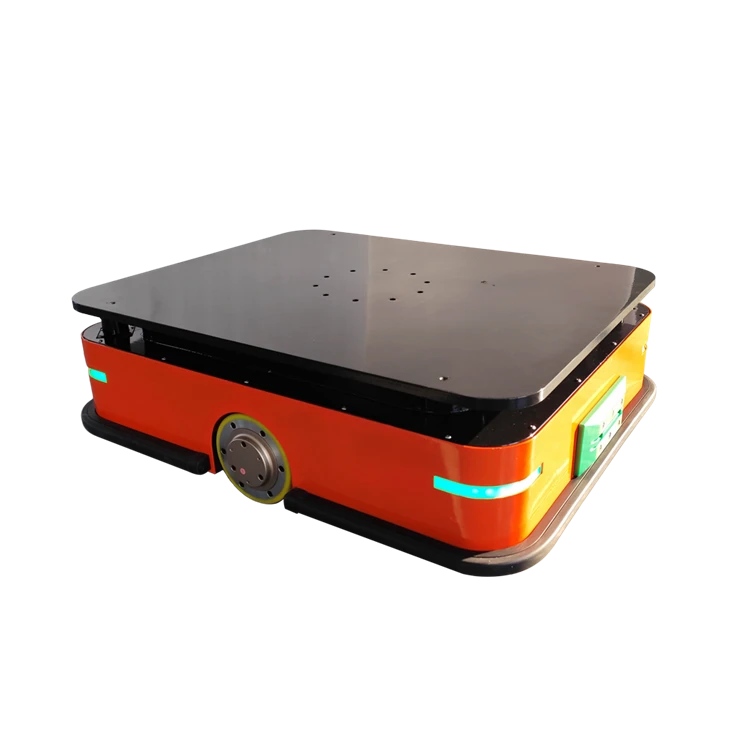
The Delivery Self - Propelled Vehicle is a great example of a robot with human - robot collaboration features. It can slow down or stop when it detects a human in its path, and it can also communicate with the worker through visual and auditory signals. This helps create a safe and efficient working environment where humans and robots can work together seamlessly.
Fire and Hazard Detection
Safety isn't just about avoiding collisions. Our Logistic Robots are also equipped with fire and hazard detection sensors. These sensors can detect the presence of smoke, heat, or other hazardous substances in the warehouse. If a hazard is detected, the robot can immediately stop its operation and send an alert to the control center. This allows the warehouse staff to take quick action to prevent a fire or other dangerous situations.
The fire and hazard detection sensors are highly sensitive and can detect even small amounts of smoke or heat. They are an important part of the overall safety system of our Logistic Robots, providing an extra layer of protection for the warehouse and its workers.
Regular Maintenance and Updates
To ensure that all these safety features work effectively, we also provide regular maintenance and updates for our Logistic Robots. Our team of technicians can perform routine checks on the sensors, software, and other components of the robot. They can also update the software to improve the robot's performance and safety features.
Regular maintenance helps identify and fix any potential issues before they become major problems. It also ensures that the robot is always operating at its best, with all the safety features working as intended.
Conclusion
In conclusion, the safety features of our Logistic Robots are designed to provide a high level of protection for both the robots themselves and the human workers in the warehouse. From proximity sensors and emergency stop buttons to advanced navigation systems and safety software, every aspect of the robot is engineered with safety in mind.
If you're interested in improving the safety and efficiency of your warehouse operations, our Logistic Robots are a great choice. We're always happy to discuss your specific needs and how our robots can fit into your workflow. Whether you're looking for a single robot or a fleet of them, we can provide you with the right solution. So, don't hesitate to reach out and start a conversation about how we can work together to take your logistics to the next level.
References
- Industry research on Logistic Robot safety features
- Manufacturer's documentation on the safety systems of our Logistic Robots