


As a supplier of Omnidirectional Automated Guided Vehicles (AGVs), one question I get asked a lot is, "What is the battery life of an Omnidirectional AGV?" It's a crucial question, as battery life can significantly impact the efficiency and productivity of your operations. In this blog post, I'll dive into the factors that affect the battery life of our Omnidirectional AGVs and share some tips on how you can maximize it.
What Determines the Battery Life of an Omnidirectional AGV?
The battery life of an Omnidirectional AGV depends on several factors, including the type of battery used, the capacity of the battery, the load the AGV is carrying, the operating environment, and the driving mode.
Battery Type
We typically use lithium - ion batteries in our Omnidirectional AGVs. Lithium - ion batteries are known for their high energy density, long lifespan, and low self - discharge rate. Compared to lead - acid batteries, lithium - ion batteries can provide more power in a smaller and lighter package. This means that our AGVs can operate for longer periods without having to carry around a heavy and bulky battery.
Battery Capacity
Battery capacity is measured in ampere - hours (Ah). A higher capacity battery can store more energy and, therefore, provide a longer operating time. However, a larger capacity battery also means a heavier and more expensive battery. We work with our customers to determine the optimal battery capacity based on their specific application requirements, such as the distance the AGV needs to travel, the frequency of use, and the load it needs to carry.
Load
The load that the AGV is carrying has a direct impact on its battery life. The more weight the AGV has to move, the more power it consumes. For example, if an AGV is designed to carry a light load, say 50 kg, it will consume less power compared to an AGV carrying a 500 kg load. When planning your operations, it's important to match the AGV's load - carrying capacity with the actual loads it needs to handle to ensure efficient use of battery power.
Operating Environment
The operating environment can also affect the battery life of an Omnidirectional AGV. Extreme temperatures, both hot and cold, can reduce the battery's performance. In cold temperatures, the chemical reactions inside the battery slow down, reducing its ability to deliver power. In hot temperatures, the battery may overheat, which can damage the battery cells and shorten its lifespan. Additionally, if the AGV is operating on a rough or uneven surface, it will have to work harder to move, consuming more power.
Driving Mode
Our Omnidirectional AGVs offer different driving modes, such as forward - backward, lateral, and rotational movements. Some driving modes are more power - intensive than others. For example, rotational movements may require more power compared to simple forward or backward movements. By optimizing the AGV's driving path and minimizing unnecessary rotational movements, you can reduce power consumption and extend the battery life.
Typical Battery Life of Our Omnidirectional AGVs
Under normal operating conditions, with a moderate load and a typical operating environment, our Omnidirectional AGVs can operate for 8 - 12 hours on a single charge. However, this is just an estimate, and the actual battery life may vary depending on the factors mentioned above.
For instance, if you have an application where the AGV is carrying a heavy load and operating in a hot environment, the battery life may be closer to 6 - 8 hours. On the other hand, if the AGV is carrying a light load and operating on a smooth surface in a temperate environment, it may be able to operate for up to 14 hours on a single charge.
Tips to Maximize Battery Life
Here are some tips that can help you maximize the battery life of your Omnidirectional AGV:
Optimize the Load
As mentioned earlier, the load has a significant impact on battery life. Try to keep the load as light as possible without sacrificing the functionality of your operations. If you have multiple small loads, consider consolidating them into a single trip to reduce the number of AGV movements.
Maintain the Operating Environment
Keep the operating environment within the recommended temperature range for the battery. If necessary, use heating or cooling systems to regulate the temperature. Also, ensure that the floor is smooth and free of obstacles to reduce the AGV's power consumption.
Optimize the Driving Path
Work with our technical team to optimize the AGV's driving path. Minimize unnecessary turns and stops, and use the most energy - efficient driving mode for each task.
Implement a Charging Strategy
We recommend implementing a regular charging strategy. Avoid over - discharging the battery, as this can reduce its lifespan. Instead, recharge the battery when it reaches a certain percentage, say 20 - 30%. Our AGVs are equipped with smart charging systems that can automatically manage the charging process to ensure optimal battery performance.
Our Product Range
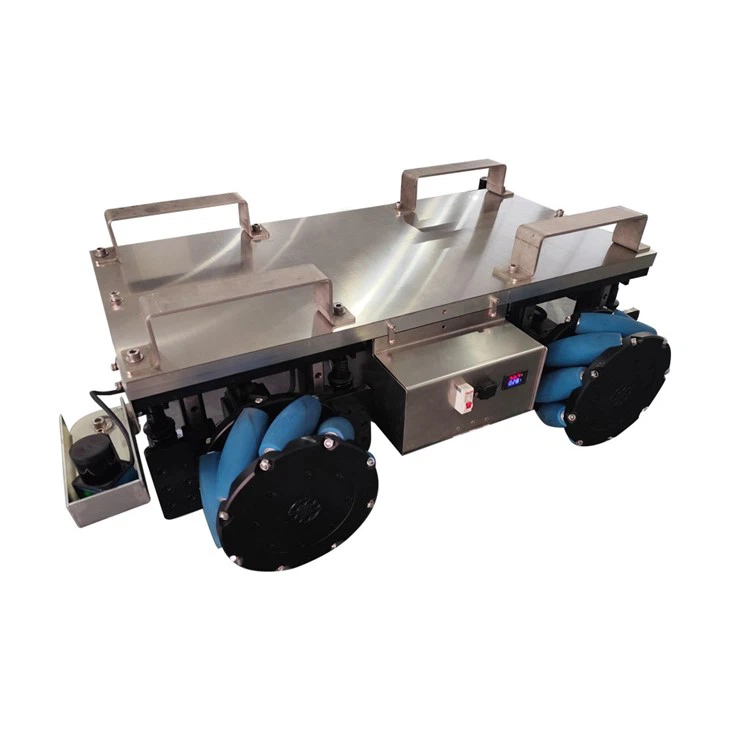
We offer a wide range of Omnidirectional AGVs to meet different customer needs. Check out our Omnifunctional AGV, Omni Drive Robot, and Universal AGV for more information on our product features and specifications.
Conclusion
The battery life of an Omnidirectional AGV is influenced by multiple factors, including battery type, capacity, load, operating environment, and driving mode. By understanding these factors and implementing the tips we've shared, you can maximize the battery life of your AGV and improve the efficiency of your operations.
If you're interested in learning more about our Omnidirectional AGVs or have any questions about battery life, feel free to reach out to us. We're here to help you find the best solution for your business needs and guide you through the procurement process. Let's start a conversation and see how our AGVs can transform your operations.

References
- Battery Technology Handbook for Industrial Vehicles
- Research on Energy Consumption of Automated Guided Vehicles in Different Operating Conditions