


Hey there! I'm a supplier of Cyber Crawler Robots, and today I wanna chat about how to update the algorithms of these cool machines. Cyber Crawler Robots are super useful in various industries, from logistics to exploration. Updating their algorithms can enhance their performance, efficiency, and adaptability. So, let's dive right in!
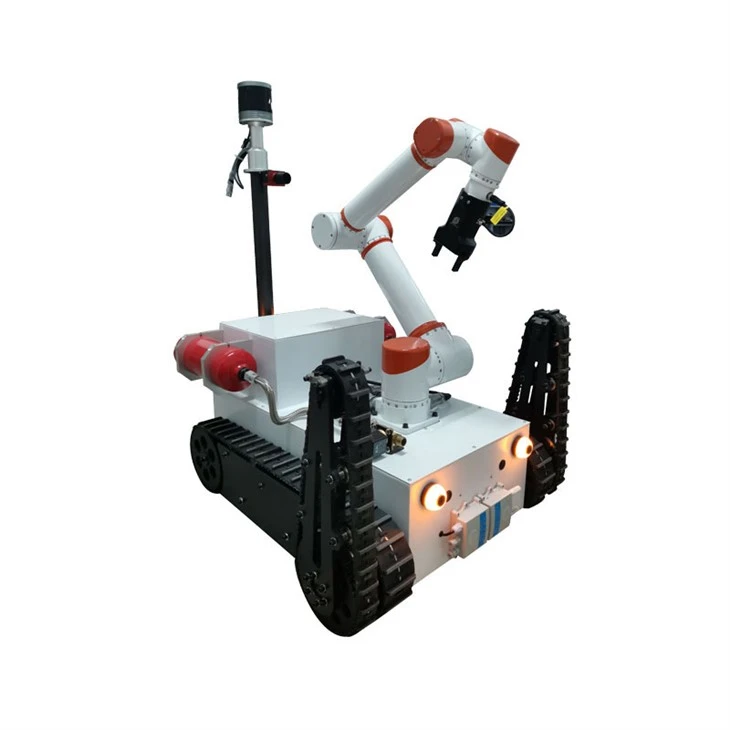

Why Update the Algorithms?
Before we get into the how, let's talk about the why. As technology advances, new algorithms are developed that can make our Crawler Robots Crawler Robot work better. For example, a new path - finding algorithm can help the robot navigate through complex environments more quickly and safely. Also, updated algorithms can improve the robot's ability to interact with its surroundings, such as better object recognition or more accurate movement control.
Another reason is to keep up with the changing needs of our customers. Different industries have different requirements, and by updating the algorithms, we can customize the robots to meet those specific needs. For instance, a Tracked AGV used in a warehouse might need an algorithm update to handle a higher volume of goods or a new layout.
Steps to Update the Algorithms
1. Assess the Current Situation
First things first, we need to take a good look at the existing algorithms. What are they good at, and where do they fall short? We can run some tests on the Crawler Robots to see how they perform in different scenarios. This might involve monitoring their movement, object - detection accuracy, and response time. By analyzing the results, we can identify the areas that need improvement.
2. Research New Algorithms
Once we know what needs fixing, it's time to do some research. There are tons of new algorithms out there, developed by researchers and tech companies. We can look for algorithms that are specifically designed for the tasks our Crawler Robots are supposed to do. For example, if the robot is used for inspection, we might look for advanced image - processing algorithms.
We can also check out academic papers, industry blogs, and tech forums to stay updated on the latest trends in algorithm development. It's a good idea to collaborate with experts in the field, as they can provide valuable insights and guidance.
3. Select the Right Algorithm
After researching, we need to pick the most suitable algorithm for our robots. This decision should be based on several factors. First, the algorithm should be compatible with the hardware of our Crawler Style Robot. It should also be efficient in terms of computational resources, as the robots usually have limited processing power.
We can also consider the ease of implementation. Some algorithms might be very complex and require a lot of programming work to integrate into the existing system. We need to balance the potential benefits with the effort required for implementation.
4. Implement the Update
Once we've selected the algorithm, it's time to implement it. This involves writing code to integrate the new algorithm into the robot's software. We need to make sure that the new code doesn't conflict with the existing functions of the robot.
It's a good practice to start with a small - scale implementation. We can test the updated algorithm on a single robot or a small group of robots in a controlled environment. This way, we can identify and fix any bugs or issues before rolling out the update to the entire fleet.
5. Test and Validate
After implementation, rigorous testing is crucial. We need to test the Crawler Robots in different real - world scenarios to ensure that the updated algorithm works as expected. This might include testing in different lighting conditions, on various terrains, and with different types of objects.
We can also compare the performance of the updated robots with the previous version. If the new algorithm doesn't show significant improvement or causes new problems, we might need to go back to the drawing board and make some adjustments.
6. Deploy and Monitor
Once we're satisfied with the test results, we can deploy the updated algorithm to all our Crawler Robots. But the work doesn't stop there. We need to continuously monitor the performance of the robots to make sure everything is running smoothly.
We can set up monitoring systems to collect data on the robots' performance, such as their movement speed, battery life, and error rate. If any issues arise, we can quickly take action to fix them.
Challenges and Solutions
Updating the algorithms of Cyber Crawler Robots isn't always a walk in the park. There are several challenges that we might face.
Compatibility Issues
One of the biggest challenges is ensuring that the new algorithm is compatible with the existing hardware and software of the Crawler Robots. Sometimes, a new algorithm might require more processing power or memory than the robot can provide.
To solve this problem, we can consider upgrading the hardware if necessary. For example, we might add more memory or a more powerful processor. We can also optimize the algorithm to reduce its resource requirements.
Data Security
When updating the algorithms, we need to be very careful about data security. The algorithms often rely on sensitive data, such as maps, sensor readings, and customer information. If this data is compromised, it can lead to serious problems.
To protect the data, we can use encryption techniques to secure the communication between the robots and the control system. We can also implement access controls to ensure that only authorized personnel can update the algorithms.
Resistance to Change
Sometimes, customers or employees might be resistant to algorithm updates. They might be used to the way the robots work currently and be worried about the potential disruptions.
To address this, we need to provide clear communication about the benefits of the update. We can also offer training to the users so that they can get familiar with the new features and functions of the Crawler Robots.
Conclusion
Updating the algorithms of Cyber Crawler Robots is a complex but rewarding process. By following the steps I've outlined above and being aware of the challenges, we can improve the performance and functionality of our Crawler Robots.
If you're interested in learning more about our Crawler Robots or need help with algorithm updates, don't hesitate to reach out. We're always here to assist you in making the most of these amazing machines. Whether you're a small business looking to optimize your warehouse operations or a large - scale industrial company in need of inspection robots, we've got the solutions for you. Let's start a conversation and see how we can work together to take your operations to the next level.
References
- "Robotics: Science and Systems" conference proceedings
- IEEE Transactions on Robotics
- Popular science and technology magazines related to robotics