


In the dynamic landscape of modern technology, crawler robots have emerged as versatile and indispensable tools across various industries. As a leading crawler robot supplier, we understand the significance of these machines and their interaction with different operating systems. This blog aims to delve into the intricacies of how crawler robots interact with diverse operating systems, exploring the challenges, benefits, and best practices.
Understanding Crawler Robots
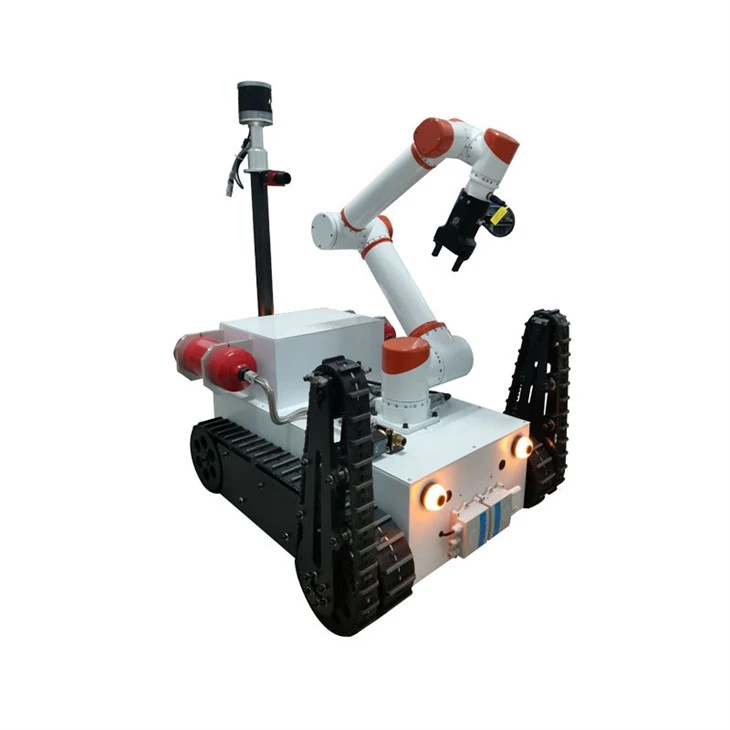
Before we dive into the interaction with operating systems, let's briefly understand what crawler robots are. Crawler robots, also known as tracked robots, are designed with tracks instead of wheels. This design provides them with enhanced mobility, stability, and the ability to navigate challenging terrains. Our Crawlering Robot and Crawler Robot models are prime examples of such machines, offering a wide range of applications in industries like construction, mining, and inspection.
The Role of Operating Systems in Crawler Robots
Operating systems play a crucial role in the functionality of crawler robots. They serve as the foundation that manages the robot's hardware resources, executes software applications, and enables communication with external devices. Just like in a computer or a smartphone, the choice of operating system can significantly impact the performance, reliability, and security of a crawler robot.
Real - Time Operating Systems (RTOS)
One of the most common types of operating systems used in crawler robots is the Real - Time Operating System (RTOS). RTOS is designed to provide deterministic response times, making it ideal for applications where timing is critical. For example, in a Crawler Inspection Robot, real - time data collection and analysis are essential for accurate inspections. RTOS ensures that the robot can respond quickly to sensor inputs, control its movements precisely, and transmit data in a timely manner.
Some popular RTOS options for crawler robots include VxWorks, QNX, and FreeRTOS. VxWorks is known for its high - performance and reliability, making it suitable for industrial applications. QNX offers a microkernel architecture that enhances security and modularity. FreeRTOS, on the other hand, is an open - source RTOS, which is cost - effective and has a large community for support.
Linux - Based Operating Systems
Linux - based operating systems are also widely used in crawler robots. Linux offers several advantages, such as a large user community, extensive software libraries, and open - source nature. It provides a flexible platform that can be customized according to the specific requirements of the crawler robot.
For instance, Ubuntu Linux can be used to develop crawler robots with advanced computer vision capabilities. The OpenCV library available in Ubuntu can be utilized for image processing tasks, enabling the robot to detect objects, navigate through complex environments, and perform inspections more effectively. Additionally, Linux can support a wide range of programming languages, including Python, C, and C++, which are commonly used in robot development.
Windows Embedded Operating Systems
Windows Embedded operating systems, such as Windows Embedded Compact and Windows 10 IoT Core, are another option for crawler robots. These operating systems are familiar to many developers due to their similarity to the standard Windows desktop environment. They offer a rich set of development tools and support for various programming languages.
Windows Embedded Compact is a lightweight and highly customizable operating system, suitable for resource - constrained crawler robots. Windows 10 IoT Core, on the other hand, provides access to the latest Windows features and cloud services, enabling seamless integration with other devices and systems.
Challenges in Interacting with Different Operating Systems
While there are multiple operating system options available for crawler robots, there are also several challenges associated with their interaction.
Hardware Compatibility
Different operating systems have different hardware requirements. Ensuring that the crawler robot's hardware components, such as sensors, motors, and communication modules, are compatible with the chosen operating system can be a complex task. For example, some sensors may require specific device drivers that are only available for certain operating systems.
Software Development and Integration
Developing software for crawler robots on different operating systems can be challenging. Each operating system has its own programming interfaces, libraries, and development tools. Developers need to have in - depth knowledge of the chosen operating system to write efficient and reliable code. Moreover, integrating different software components, such as navigation algorithms, control systems, and data processing modules, can be a time - consuming and error - prone process.
Security and Safety
Security and safety are of utmost importance in crawler robot applications. Different operating systems have different security mechanisms and vulnerabilities. Ensuring the security of the robot's operating system, protecting it from cyber - attacks, and ensuring the safety of its operations in various environments are critical challenges.
Benefits of Using Different Operating Systems
Despite the challenges, using different operating systems in crawler robots also offers several benefits.
Flexibility and Customization
Different operating systems provide different levels of flexibility and customization. For example, Linux - based operating systems allow developers to modify the kernel, add or remove features, and optimize the system for specific applications. This flexibility enables the crawler robot to be tailored to the unique requirements of different industries and use cases.
Access to a Wide Range of Software
Each operating system has its own software ecosystem. By choosing different operating systems, crawler robots can access a wide range of software tools and libraries. For example, using a Windows - based operating system allows the robot to leverage Microsoft's development tools and software, while a Linux - based system provides access to a vast open - source software community.
Compatibility with Existing Infrastructure
In some cases, the choice of operating system is influenced by the existing infrastructure of the organization. For example, if a company already has a Windows - based IT infrastructure, using a Windows Embedded operating system for its crawler robots can simplify integration and management.

Best Practices for Crawler Robot - Operating System Interaction
To ensure smooth interaction between crawler robots and different operating systems, the following best practices should be followed:
Conduct Thorough Research
Before choosing an operating system for a crawler robot, it is essential to conduct thorough research. Consider the specific requirements of the application, such as performance, reliability, security, and cost. Evaluate different operating systems based on their features, compatibility, and available support.
Test and Validate
Once an operating system is selected, it is crucial to test and validate the crawler robot's performance on the chosen system. Conduct comprehensive testing in different environments to ensure that the robot functions correctly, meets the performance requirements, and is secure.
Stay Updated
Operating systems are constantly evolving, with new features, security patches, and bug fixes being released regularly. It is important to stay updated with the latest versions of the operating system and apply the necessary updates to the crawler robot to ensure optimal performance and security.
Conclusion
In conclusion, the interaction between crawler robots and different operating systems is a complex but essential aspect of robot development. As a crawler robot supplier, we recognize the importance of choosing the right operating system to meet the diverse needs of our customers. Whether it is a Real - Time Operating System for critical applications, a Linux - based system for flexibility, or a Windows Embedded system for familiarity, each operating system has its own advantages and challenges.
If you are interested in learning more about our crawler robots and how they interact with different operating systems, or if you are considering a purchase, we invite you to contact us for a detailed discussion. Our team of experts is ready to assist you in finding the best solution for your specific requirements.
References
- “Real - Time Operating Systems: Concepts and Practice” by John Y. H. Chang
- “Linux Kernel Development” by Robert Love
- “Windows Embedded Compact 2013: A Developer's Guide” by Michael A. Miller