

Hey there! As a supplier of tracked robots, I've been getting a lot of questions lately about whether these nifty machines can be used for archaeological surveys. Well, let's dive right into it and explore the possibilities.
First off, what makes a tracked robot so special? Unlike robots with wheels, tracked robots have a continuous band of treads that distribute the robot's weight evenly. This design gives them some major advantages, especially when it comes to moving across rough or uneven terrain. Archaeological sites can be pretty unpredictable – think rocky ground, muddy patches, or areas with lots of debris. A tracked robot can handle these conditions like a champ.
One of the key benefits of using a tracked robot for archaeological surveys is its stability. The wide tracks provide a large contact area with the ground, which helps prevent the robot from tipping over. This is super important when you're dealing with expensive equipment that's being used to collect delicate data. Whether it's navigating around ancient ruins or exploring a cave, a tracked robot can keep its balance and keep on going.
Another great thing about tracked robots is their mobility. They can turn on a dime, which is really useful when you need to maneuver around tight spaces. Archaeological sites are often full of obstacles, and a robot that can easily change direction can save a lot of time and effort. For example, if there's a large boulder blocking the way to a potential excavation site, a tracked robot can quickly adjust its path and find an alternative route.
Now, let's talk about the types of tracked robots that could be used for archaeological surveys. We've got some awesome options available, like the Crawler Style Robot. This robot is designed with a low center of gravity and powerful tracks, making it perfect for traversing difficult terrain. It can carry a variety of sensors and cameras, which are essential for collecting data about the archaeological site.

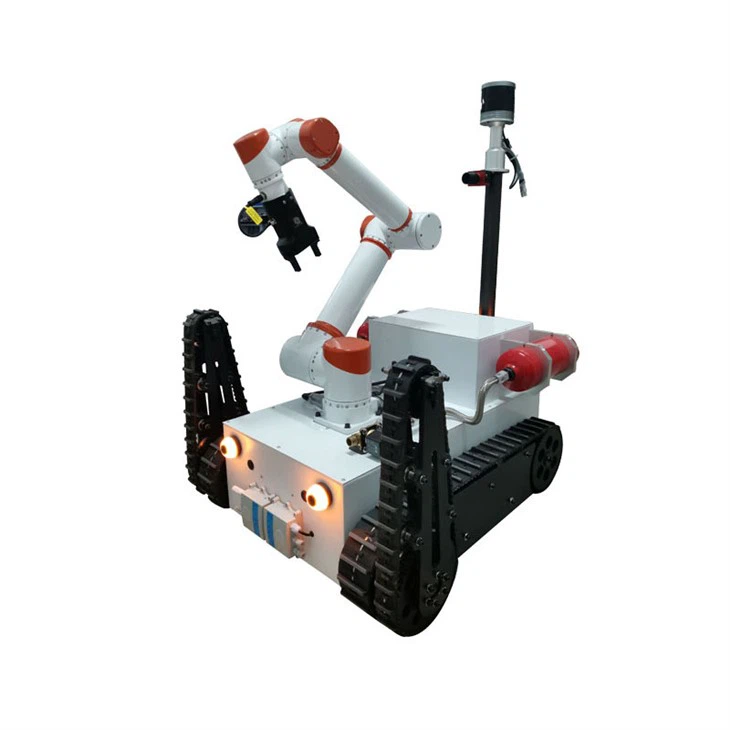
Then there's the Crawlering Robot. This little guy is incredibly versatile and can be customized to suit different surveying needs. It can be equipped with ground-penetrating radar, which can detect underground structures and artifacts without disturbing the soil. This is a non-invasive way to gather information about what lies beneath the surface, which is really important in archaeology.
And of course, we can't forget about the Track Driven AGV ROBOT. This robot is an automated guided vehicle, which means it can operate autonomously or be controlled remotely. It's great for covering large areas quickly and efficiently. It can follow pre-programmed routes, which is ideal for mapping out an archaeological site.
But it's not just about the hardware. The software that controls these robots is also crucial. Our tracked robots come with advanced software that allows for real-time data collection and analysis. This means that archaeologists can get instant feedback on what the robot is discovering. For example, if the robot's sensors detect a potential artifact, the software can alert the archaeologists and provide detailed information about its location and characteristics.
In addition to data collection, tracked robots can also be used for other tasks during an archaeological survey. They can be used to transport equipment and supplies to different parts of the site. This can save a lot of time and energy for the archaeologists, who can focus on the actual excavation and analysis work.
However, like any technology, there are also some challenges to using tracked robots for archaeological surveys. One of the main challenges is the cost. These robots can be expensive to purchase and maintain. But when you consider the benefits they offer, such as increased efficiency and the ability to access hard-to-reach areas, the investment can be well worth it.
Another challenge is the need for trained operators. While our robots are designed to be user-friendly, it still takes some skill and knowledge to operate them effectively. We offer training programs to help archaeologists and their teams learn how to use the robots safely and efficiently.
So, can a tracked robot be used for archaeological surveys? The answer is a resounding yes! These robots have the potential to revolutionize the way we conduct archaeological research. They can provide valuable data, increase efficiency, and help us explore areas that were previously inaccessible.
If you're an archaeologist or part of an archaeological team, I encourage you to consider using our tracked robots for your next survey. We're here to support you every step of the way, from choosing the right robot for your needs to providing ongoing technical support. Whether you're working on a small local site or a large international project, our tracked robots can make a big difference.
If you're interested in learning more about our tracked robots or have any questions, feel free to reach out to us. We'd love to have a chat and discuss how we can help you with your archaeological survey needs. Let's work together to uncover the secrets of the past!
References
- "Archaeological Robotics: Current Trends and Future Directions" - Journal of Archaeological Science
- "Tracked Vehicle Dynamics" - SAE International